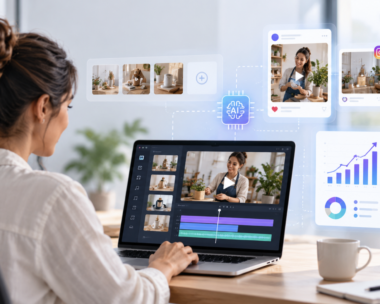
How AI Agents Are Transforming Video Editing and Content Creation
Video content has become an essential part of digital communication. Businesses, marketers, and content creators rely on videos to promote products, explain services, and engage audiences across different platforms. However, producing professional-quality videos can be time-consuming, especially when editing requires multiple technical steps.
Artificial intelligence is changing how videos are created and edited. AI-powered tools can already assist with several production tasks, but AI agents are introducing a more advanced approach by performing editing operations based on user instructions.
From arranging footage to refining audio and adding visual elements, AI agents are helping creators simplify complex workflows. This transformation is making video production more accessible while allowing creative professionals to focus on storytelling and audience engagement.
Understanding AI Agents in Video Production
AI agents are intelligent software systems that can interpret user instructions and perform tasks using connected tools. Unlike traditional automation systems that rely on fixed commands, AI agents can coordinate multiple actions to accomplish a broader objective.
In video production, AI agents can assist with activities such as organizing clips, creating rough cuts, adjusting colors, adding captions, and managing audio.
For example, a content creator might instruct an AI agent to prepare a short promotional video using existing footage. The agent can perform supported editing operations, arrange selected clips, and help develop an initial version of the video.
This approach reduces the need to handle every technical adjustment manually and allows creators to spend more time developing engaging content.
How AI Agents Are Changing Traditional Video Editing
Traditional video editing involves several processes, including trimming footage, arranging scenes, adding transitions, correcting colors, and balancing audio. Although professional editing software provides powerful capabilities, these tasks often require considerable time and technical knowledge.
AI agents introduce a more flexible editing experience by allowing users to communicate their requirements through natural language.
Instead of manually adjusting every element, creators can provide instructions describing the changes they want.
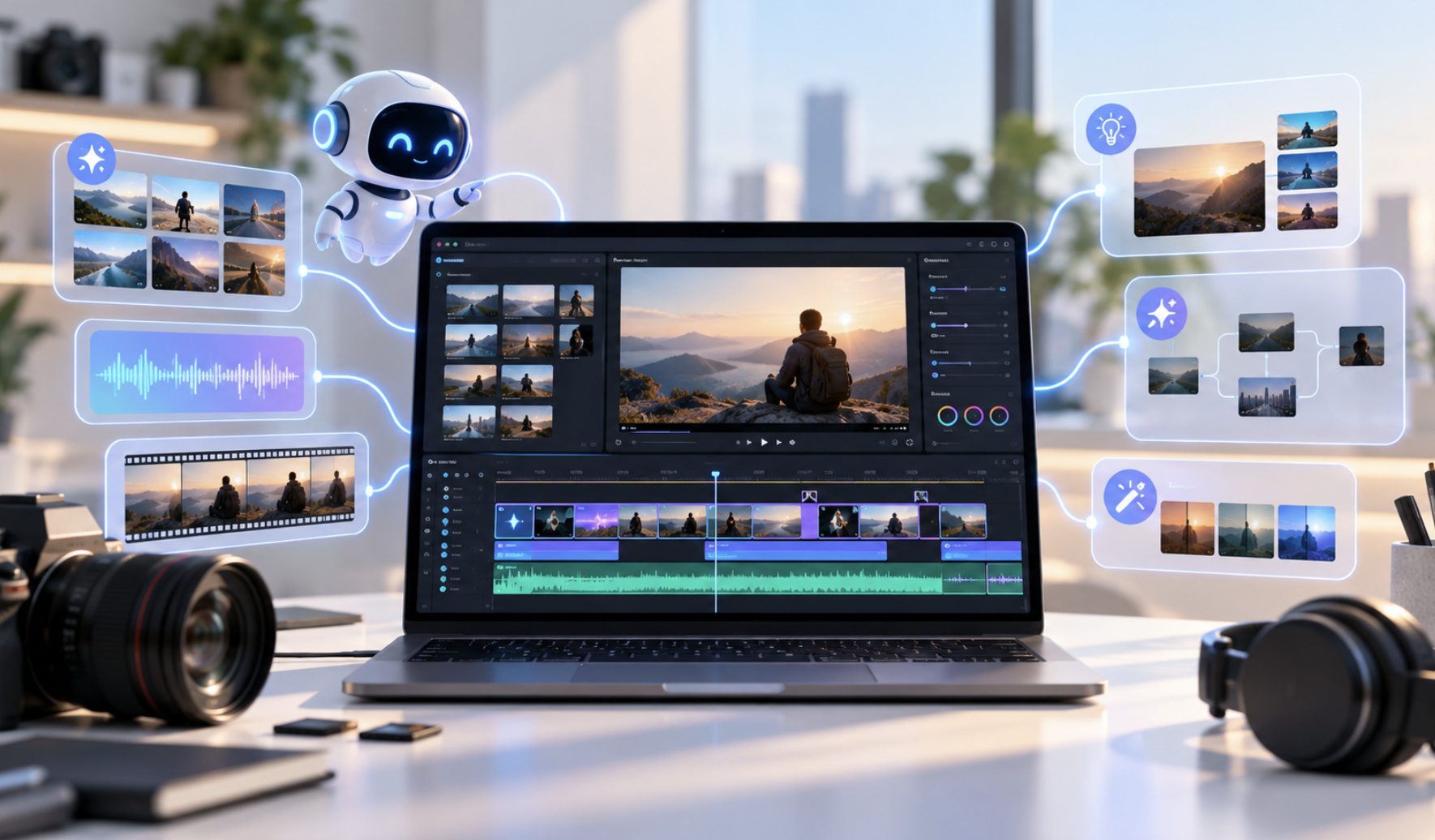
One example of this approach is invideo remote agents, which allows external AI assistants such as ChatGPT, Claude, and Codex to connect with InVideo’s professional video editor through the Model Context Protocol (MCP). Once connected, these agents can work directly on editable video timelines, helping with tasks such as trimming clips, color correction, audio mixing, caption creation, and media generation. Users can watch edits appear in the editor, make manual adjustments alongside the AI agent, and export their finished work as a video or an editable project for professional editing software.
This approach makes video production more collaborative by combining AI-assisted editing with the flexibility of a traditional timeline editor.
Key Benefits of Using AI Agents for Video Content Creation
AI agents offer several advantages for businesses, digital marketers, and independent creators who regularly produce video content.
- Faster Video Production
Editing footage manually can require considerable effort, particularly when creating multiple videos. AI agents can handle supported repetitive tasks, helping creators prepare initial edits and make adjustments more efficiently.
- Simplified Editing Processes
Complex editing interfaces can be challenging for beginners. AI agents allow users to communicate editing requirements through instructions, reducing the need to perform every operation manually.
- Greater Creative Flexibility
Creators can experiment with different video structures, transitions, visual elements, and editing styles. AI-assisted workflows make it easier to develop initial versions and refine them based on creative preferences.
- Improved Workflow Consistency
Businesses often need videos that follow consistent branding and formatting guidelines. AI agents can help apply repeated instructions across projects, supporting more consistent presentation.
These benefits make AI agents useful for creators who want to improve production efficiency without sacrificing creative control.
The Role of AI Agents in Digital Marketing
Video marketing plays an important role in helping businesses communicate with customers. Brands use promotional videos, tutorials, product demonstrations, and social media content to increase awareness and encourage engagement.
However, creating videos for multiple marketing channels can be challenging because each platform may require different formats, durations, and presentation styles.
AI agents can help simplify this process by assisting with video editing and content adaptation.
For example, a company might create a detailed product demonstration for its website and then produce shorter versions for Instagram Reels, TikTok, and YouTube Shorts.
AI-assisted workflows can help rearrange footage, adjust video dimensions, add captions, and prepare content for different platforms.
This flexibility can be particularly valuable for small businesses and marketing teams working with limited production resources.
By reducing repetitive editing activities, businesses can dedicate more attention to campaign planning, audience targeting, and content strategy.
How AI Agents Support Creative Collaboration
One of the most interesting developments in AI-powered video production is the growing collaboration between intelligent systems and human creators.
Rather than completing the entire editing process independently, AI agents can work alongside users who provide creative direction and review the results.
For example, a creator can request an initial video edit, review the arrangement of clips, and then provide additional instructions to improve pacing or adjust visual elements.
This collaborative workflow offers greater flexibility than relying entirely on automated video generation.
Human creators remain responsible for important decisions such as storytelling, brand messaging, emotional tone, and visual consistency.
By combining AI assistance with human judgment, teams can develop content that reflects their creative objectives while benefiting from more efficient production processes.
Best Practices for Using AI Agents in Video Editing
Businesses and creators should follow a structured approach when introducing AI agents into their production workflows.
Start With Clear Instructions
Define the video’s purpose, intended audience, preferred duration, and visual style before requesting edits. Detailed instructions can help an AI agent produce results that are closer to the intended outcome.
Identify Repetitive Tasks
Focus on activities such as trimming clips, adding captions, adjusting audio, and formatting videos. These tasks are often suitable starting points for AI-assisted editing.
Review Every Edit
AI-generated changes should be reviewed for accuracy, visual quality, timing, and consistency. Human supervision is important to ensure that the final content communicates the intended message.
Maintain Brand Guidelines
Use consistent fonts, colors, messaging, and visual styles. Clear branding instructions help maintain a recognizable identity across different video projects.
Evaluate Workflow Performance
Monitor how AI assistance affects production time, editing quality, and team productivity. This helps identify which tasks benefit most from automation.
The Future of AI Agents in Video Production
As artificial intelligence continues to develop, AI agents are likely to become more closely integrated with professional creative tools.
Future workflows may involve AI assistants coordinating different stages of production, from organizing media assets to preparing edited sequences for multiple platforms.
Natural-language editing and direct interaction with professional timelines could also make advanced production capabilities easier for creators to access.
For marketing teams, these developments may support faster content production and more flexible campaign execution.
However, successful video creation will continue to depend on thoughtful planning, original ideas, and a clear understanding of audience expectations.
Conclusion
AI agents are transforming video editing and content creation by simplifying technical tasks and introducing more collaborative production workflows.
From trimming footage and adjusting audio to supporting marketing campaigns, these intelligent systems offer practical ways to reduce repetitive work and improve creative efficiency.
As AI-assisted editing technologies evolve, businesses and creators can benefit from combining automation with human expertise.
The future of video production is not simply about replacing manual processes. It is about helping creators work more efficiently while maintaining the creativity, quality, and storytelling that make video content effective.